Tree Removal and Trimming Bloomington | Stump Removal and Grinding St Paul, Minneapolis
Seasonal Tree Removal: When Is the Best Time to Remove Trees in Santa Clarita?
 You should plan tree removal in Santa Clarita during the cooler, wetter months, ideally winter. Trees are dormant, reducing sap flow and making cuts easier. The harder ground provides stability for equipment, minimizing landscape damage and enhancing safety. Reduced pest activity and visibility of structural weaknesses add to winter’s benefits. Avoid removal in spring due to increased sap flow and nesting wildlife, and in summer because of intense heat and tree stress. Fall offers some advantages like shedding leaves, but for optimal safety and efficiency, winter is best. Discover more by understanding local climate and tree species behavior further.
Understanding Santa Clarita’s Climate
Santa Clarita’s climate is predominantly Mediterranean, characterized by hot, dry summers and mild, wet winters, which directly affects tree health and removal schedules. Because of this specific climate, you’ll notice that drought effects are a significant concern. Droughts can weaken trees, making them more susceptible to diseases and pests. This can necessitate earlier removal to prevent safety hazards.
When planning an expert tree removal, pay attention to the types of trees you’re dealing with. Native species, such as coast live oak and sycamore, are more adapted to the local climate and can be more resilient during dry spells. However, even native species can suffer during prolonged droughts, showing signs of stress like leaf scorch and premature leaf drop.
Safety is paramount when removing weakened or dead trees, especially in a climate that can exacerbate tree health issues. You should schedule removals during the cooler, wetter months when the soil is softer, reducing the risk of accidents. This timing also allows for safer use of equipment and minimizes damage to the surrounding landscape. By understanding these climate-related factors, you can make informed decisions about tree removal that are both effective and safe.
Identifying Tree Health Issues
To effectively identify tree health issues, you need to look for specific signs of stress such as discolored leaves, dead branches, and fungal growth. These indicators can reveal underlying tree disease symptoms that may compromise the structural integrity of the tree and pose safety risks.
First, inspect the foliage. Discolored or wilting leaves can be a sign of nutrient deficiencies or pest infestations. Next, examine the branches. Dead or brittle branches indicate severe health issues that could lead to falling limbs, posing a hazard.
Finally, check for fungal growth around the base or on the trunk. Mushrooms and other growths can signify root rot or internal decay, directly impacting the tree’s stability.
Here are key points to remember when identifying tree health issues:
– Discolored Leaves: Look for changes in color, texture, or premature leaf drop.
– Dead Branches: Check for branches that break easily or show no signs of life.
– Fungal Growth: Identify unusual growths, especially around the base, indicating internal decay.
Early detection of these three disease symptoms is crucial for timely intervention. Additionally, invasive species identification helps in taking appropriate measures to protect native trees. By staying vigilant, you can ensure the safety and health of your trees.
Benefits of Winter Removal
Have you considered the safety and efficiency benefits of removing trees during the winter season? Winter tree removal offers several advantages that you might not be aware of. One major benefit is the dormancy of trees during this period. With reduced sap flow and minimal foliage, trees are lighter and easier to handle. This reduces the risk of accidents and makes the removal process more efficient.
Winter removal also minimizes the impact on your landscape. The ground is typically harder and less disturbed, which means less damage to surrounding plants and soil structure. Additionally, frozen ground provides a stable surface for heavy equipment, enhancing operational safety.
Tree health can also benefit from winter removal. Removing a diseased or dead tree in winter reduces the chance of spreading pathogens to healthy trees, as many pests and diseases are less active in colder weather. Furthermore, winter storms often reveal structural weaknesses, making it an ideal time to address any hazardous trees.
Spring Tree Removal Considerations
Spring tree removal presents unique challenges and opportunities that require careful planning and execution. During this season, trees experience rapid spring growth and blooming patterns, making the removal process both complex and time-sensitive. It’s essential to consider the following factors to ensure a safe and efficient project:
– Increased Sap Flow: During spring, trees have higher sap flow, which can make cuts messier and more challenging to manage. This can also attract insects and pests, posing additional hazards.
– Nesting Wildlife: Birds and small mammals often nest in trees during spring. Removing a tree without checking for nests could harm wildlife and violate local regulations.
– Dense Foliage: Trees typically have dense foliage in spring, making it harder to see the tree’s structure and potential hazards. This requires extra caution and possibly more manpower.
To tackle these challenges, you’ll need to take a meticulous approach. Start by conducting a thorough assessment of the tree’s condition and its surrounding environment. Ensure that your team is equipped with the right tools and safety gear. It’s also advisable to consult with a certified arborist to evaluate any special considerations based on the tree species and local ecosystem. By paying attention to these details, you can safely and effectively manage spring tree removal in Santa Clarita.
Summer Tree Removal Challenges
Summer tree removal presents its own set of challenges that require meticulous planning and robust safety measures. The intense heat can exacerbate tree stress, making the process more hazardous for both the tree and the workers involved. High temperatures increase the likelihood of dehydration and heat-related illnesses, so it’s crucial to implement summer safety protocols. Ensure that your team stays hydrated and takes frequent breaks in shaded areas.
Tree stress is another critical factor to consider. During summer, trees are often in a state of active growth and may be more vulnerable to damage. Removing a tree at this time can lead to increased stress on surrounding vegetation, which could compromise the health of your landscape. To mitigate these risks, you’ll need to use specialized equipment that minimizes impact, such as lightweight cranes and cutting tools designed for precision.
Additionally, summer storms can pose unexpected challenges. Strong winds and sudden downpours can make tree removal more dangerous and complicated. Always monitor weather forecasts closely and be prepared to reschedule if conditions become unsafe. By adhering to these guidelines, you can tackle summer tree removal effectively, ensuring both safety and efficiency.
Fall Tree Removal Benefits
Fall tree removal offers distinct advantages that can enhance safety and efficiency for your landscaping projects. During the fall, trees begin shedding their leaves, reducing the overall weight and making the removal process easier. The fall foliage impact means there’s less bulk to handle, which can speed up the removal and clean-up process. Additionally, cooler temperatures make it more comfortable and safer for workers to operate heavy machinery.
Another benefit is the reduced presence of seasonal pests. As temperatures drop, insects and other pests become less active, minimizing the risk of pest-related issues during tree removal. This can protect surrounding vegetation from potential infestations.
Consider these key benefits:
– Less Foliage: With fewer leaves, the tree is lighter and easier to manage, facilitating quicker and safer removal.
– Fewer Pests: Cooler weather means fewer active pests, reducing the risk of spreading infestations to other parts of your garden.
– Better Visibility: Without dense foliage, it’s easier to assess the tree’s structure and identify any hidden hazards or weaknesses.
Hiring Professional Arborists
When it comes to tree removal, hiring professional arborists ensures the job is done safely and efficiently, reducing the risk of property damage and personal injury. Professional arborists possess specific qualifications, including certifications from recognized bodies like the International Society of Arboriculture (ISA). These credentials indicate a thorough understanding of tree biology, safe removal techniques, and the proper use of equipment.
A critical part of the process is a detailed tree assessment. An experienced arborist evaluates the tree’s health, stability, and the potential impact of its removal on the surrounding area. This assessment helps in devising a precise removal strategy, ensuring that all potential hazards are identified and mitigated.
Professional arborists also adhere to safety protocols, such as wearing protective gear and using specialized equipment like cranes and rigging systems. They follow industry standards and local regulations, which further minimizes risks. Additionally, they are insured, providing you with liability protection in case of accidents.
Breaking Down Tree Trimming Expenses in St. Paul: Essential Cost Factors
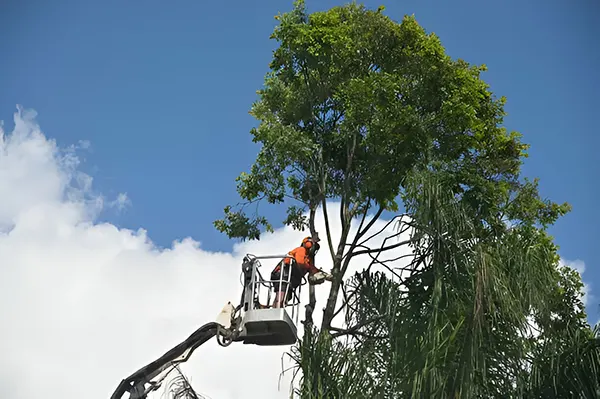 In St. Paul, tree trimming costs are shaped by several key factors. If you’re dealing with larger trees, expect higher expenses due to the specialized techniques required. Smaller, healthy trees generally cost less, as they are more accessible and require routine maintenance. Diseased or poorly conditioned trees might necessitate advanced pruning and frequent monitoring, amplifying your outlay. Seasonal demand also influences pricing; planning your tree trimming during off-peak months can reduce costs. Additionally, local regulations may require permits, especially for significant or protected trees. Don’t overlook potential costs for emergency services, which are priced at a premium. Continued exploration offers further insights into optimizing your expenses.
Tree Size and Condition
The size and condition of your tree significantly impact the cost of trimming services. Larger trees require more time, specialized pruning techniques, and occasionally, additional safety measures, which can increase the cost. Conversely, smaller trees might be less expensive due to their accessibility and the speed with which they can be trimmed.
Your tree’s health also plays a crucial role in determining the trimming strategy and thus, the costs involved. Healthy trees are typically easier to maintain as they need less corrective action and more routine maintenance. However, if your tree is diseased or pest-infested, it may require intensive care, incorporating advanced pruning techniques to remove affected branches safely without compromising the tree’s structural integrity.
Moreover, trees in poor condition might need more frequent visits from professionals to monitor recovery and prevent further decline. This could mean additional costs for you in the long term. Ensuring regular maintenance and addressing issues early can help manage these expenses better.
Understanding these factors will help you anticipate the costs related to tree trimming services and ensure that your tree remains healthy and aesthetically pleasing for years to come. Remember, investing in proper tree care is crucial for maintaining your property’s overall safety and appeal.
Labor and Equipment Costs
Understanding the impact of tree size and condition sets the stage for discussing how labor and equipment costs also influence the overall expenses of tree trimming services. You’ll find that these factors are integral to the cost breakdown of your project. The larger or more complex the tree, the more labor-intensive and equipment-heavy the job becomes.
Labor costs are typically calculated by the hour and can vary based on the expertise required and the risk involved. For instance, trees that are diseased or located near power lines demand higher-skilled workers, which in turn increases labor costs. Labor efficiency is crucial; experienced workers can complete tasks faster and more safely, potentially lowering the total hours billed.
Equipment costs encompass both the machinery used and its operational expenses. This includes everything from chainsaws and wood chippers to specialized lifts for high or difficult-to-reach branches. The rental or depreciation costs of these tools, along with fuel and maintenance, contribute significantly to the overall expense.
To manage these costs effectively, it’s essential to request detailed quotes from service providers. This ensures that you understand the allocation of expenses between labor and equipment, helping you make informed comparisons and choices.
Seasonal Variations
Seasonal variations significantly impact the costs associated with tree trimming St Paul services. During the spring and summer months, you’ll find that pricing may increase due to higher demand. Many homeowners and businesses undertake landscaping projects during these warmer months, leading to increased demand for professional tree trimmers. Consequently, the costs can rise due to this heightened demand paired with the steady supply of service providers.
Conversely, in the fall and winter, demand tends to wane. However, the weather impact can play a crucial role during these seasons. Harsh winter conditions can make tree trimming more hazardous, requiring additional safety measures and possibly more specialized equipment. This can inadvertently raise costs even in a lower-demand season. Furthermore, sudden storms or severe weather events can create urgent needs for tree trimming due to safety concerns, causing unexpected spikes in demand that can lead to pricing fluctuations.
It’s essential to understand these supply and demand fluctuations when planning your tree trimming or maintenance budget. By anticipating these changes, you can better schedule services during periods that might offer more favorable pricing. Planning ahead allows you to manage your expenses more effectively, avoiding peak prices and securing services when demand is lower.
Permitting and Regulations
Navigating the permitting and regulatory landscape is crucial before initiating any tree trimming project in St. Paul. Understanding the local regulations and the permitting process can help you avoid potential fines and ensure your project progresses smoothly. In St. Paul, whether you’re trimming, pruning, or removing a tree, you’ll likely need a permit if the tree is on public property or certain types of private property.
Firstly, you’ll need to determine if the tree is located within a public right-of-way or if it’s protected under any municipal ordinances. St. Paul has specific guidelines that classify trees based on their size, species, and health, which can all affect the permitting requirements. If your tree falls into a protected category, the permitting process could be more rigorous, involving assessments from city arborists or other professionals.
To begin the permitting process, you should contact the St. Paul Forestry Department or visit their website for detailed application instructions. You’ll need to provide specifics about the tree trimming work you plan to conduct, including the scope and methods. Ensuring you have all the necessary documentation and understanding of local regulations upfront will streamline your application, helping you avoid delays and additional costs. It’s also wise to consult with a professional arborist who’s familiar with St. Paul’s tree preservation ordinances to guide you through the process effectively.
Additional Services
You’ll find that incorporating additional services such as stump grinding or disease treatment can significantly enhance the longevity and aesthetics of your landscape. Stump grinding, for instance, not only clears your yard of unsightly remnants but also prevents the spread of pests and diseases that could compromise tree health.
Addressing tree health proactively through services like disease treatment is crucial. Infected trees can deteriorate rapidly and potentially spread pathogens to healthy neighboring trees. By investing in professional assessment and treatment, you’re safeguarding your landscape from severe damage that could necessitate costly remediation efforts in the future.
Emergency services are another critical component to consider. Severe weather can cause unexpected damage, leaving trees hazardous. Prompt removal or stabilization of such trees is essential to ensure safety and prevent further damage to your property. These services often carry a premium due to the immediate response required and the potential risks involved in dealing with compromised trees.
Best DIY Stump Removal Methods for a Cleaner Yard in Minneapolis
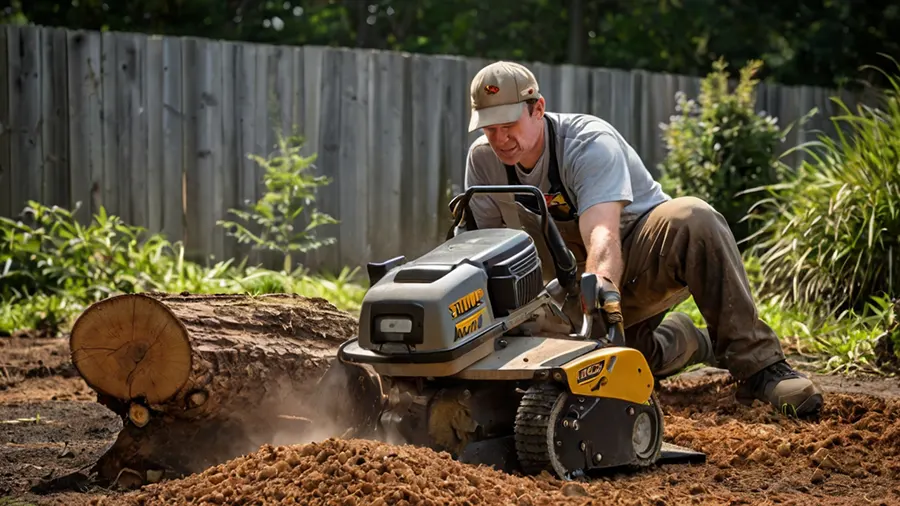 You’re looking to tidy up your yard in Minneapolis, and tackling those pesky stumps is your next big project. Various DIY methods can help you achieve a cleaner space, from manual digging and chemical treatments to more advanced techniques like using a stump grinder or high-pressure water. Each approach has its pros and cons, and the right method for you depends on your specific needs and available resources. But which method will give you the best results with the least hassle? Let’s explore the most efficient and practical options to make your yard stump-free.
Manual Digging
When you dig out a stump manually, you’ll need to gather essential tools like a shovel, mattock, and pruning saw to efficiently cut through roots and soil. Start by using the shovel to clear away any debris and loose soil around the stump. This will expose the roots and give you a clearer view of where to apply your digging tools. The key here is to create root leverage, which involves loosening the soil and severing the roots to make the stump easier to remove.
With your mattock, begin chopping through the smaller roots. This tool is particularly effective for breaking up compacted soil and cutting through medium-sized roots. For larger roots, use the pruning saw. Make sure to cut as close to the stump as possible, as this will help in reducing the stump’s grip on the soil.
As you progress, use the shovel to scoop out more soil and create space around the stump. This is where root leverage becomes crucial; with enough roots severed and soil cleared, you can start to pry the stump from the ground. Repeat these steps methodically to ensure a thorough and efficient stump removal.
Chemical Treatments
When using chemical treatments for stump removal, you should select chemicals specifically designed for this purpose, like potassium nitrate. Ensure you follow all application safety guidelines, including wearing protective gear and keeping the area well-ventilated. Proper application will accelerate the decomposition process, making the stump easier to remove.
Choosing Effective Chemicals
To effectively remove stumps through chemical treatments, you’ll need to choose chemicals that accelerate the decomposition process while being safe and environmentally friendly. The right chemical selection is crucial for ensuring that your efforts yield the desired results without harming your yard or the local ecosystem. Here are some key chemicals to consider:
1. Potassium Nitrate: This is a popular choice because it accelerates the decomposition process by providing essential nutrients to wood-decaying fungi and bacteria.
2. Triclopyr: Effective for hardwood stumps, this chemical promotes fast decay and is known for its low environmental impact when used correctly.
3. Glyphosate: Though more commonly used as a herbicide, it can also be effective for stump removal. However, its environmental impact is a point of contention, so use it sparingly.
4. Epsom Salts: An eco-friendly alternative, Epsom salts draw moisture out of the stump, hastening its decay without any harmful environmental effects.
Choosing the right chemical is not just about effectiveness; you also need to consider the environmental impact. By selecting chemical that balance efficiency and eco-friendliness, you’ll ensure your yard remains a safe and beautiful space in Minneapolis.
Application Safety Tips
Before you start applying any chemical treatments for stump removal, ensure you follow essential safety guidelines to protect yourself and the environment. First, always wear appropriate protective gear. This includes gloves, safety glasses, and long-sleeved clothing to prevent contact with harmful chemicals. Respiratory masks are also advisable if you’re using chemicals that emit strong fumes.
Read the product’s label carefully, focusing on the application instructions and safety warnings. Incorrect usage can not only damage your yard but also pose health risks. Make sure you handle the chemicals in a well-ventilated area to minimize inhalation hazards.
Have first aid supplies readily accessible. In case of accidental exposure, you’ll need to act quickly. For instance, if chemicals come into contact with your skin, rinse immediately with plenty of water and seek medical advice if irritation persists. If inhaled, move to fresh air and consult a healthcare professional if you experience breathing difficulties.
Ensure you store chemicals in their original containers and keep them out of reach of children and pets. Proper disposal of any leftover chemicals is crucial; consult local hazardous waste disposal guidelines to avoid environmental contamination. By following these steps, you’ll ensure a safer stump removal process.
Stump Grinding
When you choose stump grinding, you’ll need to consider the right equipment and essential safety tips to ensure a smooth process. This method is often more cost and time-efficient compared to other stump removal techniques. Understanding these aspects will help you achieve a cleaner yard effectively and safely.
Equipment and Safety Tips
For a successful stump grinding project, you’ll need to gather specific equipment and adhere to crucial safety guidelines. Protective gear is paramount to ensure your safety. Equip yourself with a hard hat, safety goggles, ear protection, and steel-toed boots. These items will shield you from flying debris and loud noise.
Next, familiarize yourself with the emergency procedures. Knowing how to quickly shut off the stump grinder and having a first aid kit nearby can make all the difference in an urgent situation.
Here’s a checklist to prepare you emotionally and practically for the task:
1. Protective Gear: Ensure you have a hard hat, safety goggles, ear protection, and steel-toed boots.
2. Stump Grinder: Rent or purchase a stump grinder suitable for the size of your stump.
3. Emergency Procedures: Learn how to operate the shut-off mechanism and keep a first aid kit within reach.
4. Area Preparation: Clear the area of any rocks, debris, and other obstacles that could interfere with the grinding process.
Cost and Time Efficiency
Stump grinding offers a cost-effective and time-efficient solution to your yard cleanup challenges, minimizing disruption and expense compared to other removal methods. By using either professional services or DIY tools, you can handle stump removal efficiently. Professional services typically charge between $100 and $400 per stump, depending on its size and location. This option saves you significant time and effort, as skilled technicians handle the entire process quickly and safely.
On the other hand, if you prefer a hands-on approach, renting a stump grinder is an excellent alternative. Rental costs range from $90 to $150 per day, making it a budget-friendly choice for multiple stumps. DIY tools for stump grinding are user-friendly and designed for efficient operation, though they require a basic understanding of machinery and safety precautions.
In terms of time efficiency, professional services can complete the job in under an hour for a single stump, while DIY methods might take a few hours depending on your experience and the stump’s size. Both options offer a streamlined, effective way to enhance your yard’s appearance without the prolonged hassle associated with other stump removal techniques.
Burning Method
Igniting the stump to eliminate it can be an efficient method, but it requires careful attention to safety protocols and local regulations. Fire hazards are a serious concern, so you’ll need to take several precautionary measures to ensure safety. First, check with Minneapolis authorities to confirm that stump burning is permitted in your area and obtain any necessary permits.
To proceed with the burning method:
1. Clear the Area: Remove any flammable materials around the stump to minimize fire hazards.
2. Drill Holes: Create several deep holes in the stump using a power drill. This will allow the fire to penetrate and consume the wood more effectively.
3. Add Combustible Material: Pour kerosene (never gasoline) into the holes and let it soak for 24 hours.
4. Ignite Safely: Light the stump using a long match or a stick, and monitor the fire continuously until it’s completely out.
Epsom Salt Technique
By leveraging the natural properties of Epsom salt, you can effectively expedite the decomposition process of a stubborn tree stump. Epsom salt, primarily composed of magnesium sulfate, accelerates the breakdown of wood by promoting salt absorption and disrupting the stump’s moisture retention. Here’s how you can utilize this method:
First, drill several holes into the top of the stump, each about 1 inch wide and 10 inches deep. The more holes you create, the faster the absorption process will be. Next, fill these holes with Epsom salt, ensuring they are packed tightly. Pour water into each hole to dissolve the salt, which will then be absorbed by the wood fibers. The salt will draw out moisture from the stump, inhibiting its ability to retain water and accelerating its decay.
Cover the stump with a tarp to prevent rainwater from diluting the salt solution. This creates an environment where the stump dries out more quickly. Check the progress every few weeks and repeat the process as necessary. Over time, you’ll notice the stump becoming brittle and easier to break apart. This method is both environmentally friendly and cost-effective for your yard in Minneapolis.
High-Pressure Water
Leveraging the power of high-pressure water can effectively dislodge and break down a tree stump, making it an efficient and clean removal method. By directing a concentrated stream of water at the stump, you can accelerate stump erosion and wash away the soil around the roots. This process makes it easier to remove the stump without damaging the surrounding landscape.
High water pressure essentially breaks down the stump’s fibers, causing them to erode and disintegrate. To get started, you’ll need a high-pressure washer with a nozzle that can focus the stream. Position the nozzle close to the base of the stump and gradually work your way around it, loosening the soil and roots.
Here’s why you’ll love using high-pressure water for stump removal:
1. Efficiency: Quickly breaks down the stump without requiring extensive physical labor.
2. Precision: Targets the stump specifically, minimizing the risk of damaging nearby plants or structures.
3. Eco-Friendly: Uses just water, avoiding harmful chemicals or pollutants.
4. Satisfaction: Watching the stump erode under the powerful stream can be incredibly gratifying.
Use of Chainsaw
Using a chainsaw to remove a stump requires careful planning and precision to ensure both safety and effectiveness. Start by inspecting your chainsaw to confirm it’s in good working condition. Chainsaw maintenance is critical; check the chain tension, lubricate it properly, and ensure the air filter is clean. A well-maintained chainsaw significantly reduces the risk of accidents and improves cutting efficiency.
Before you start cutting, clear the area around the stump of debris. Make sure you’re wearing protective gear, including gloves, safety goggles, and a helmet. Begin by cutting the stump as close to the ground as possible. Make horizontal cuts to weaken the stump structure, which will make it easier to remove the pieces. For larger stumps, you might need to make vertical cuts to divide the stump into manageable sections.
After the stump is removed, focus on chainsaw maintenance again. Clean the chainsaw thoroughly, inspect for any damage, and sharpen the chain if needed. Proper storage is essential; store your chainsaw in a dry, secure place to avoid any moisture damage and ensure it’s ready for future use. Following these steps will help you safely and effectively remove stumps from your yard.
Renting Heavy Equipment
When tackling larger stumps that are too challenging for manual tools, renting heavy equipment like stump grinders or backhoes can significantly streamline the removal process. These powerful machines are designed to handle the most stubborn stumps efficiently, saving you time and physical effort.
Before diving into the process, here are some key steps to consider:
1. Assess the Stump: Evaluate the size and type of stump. This helps determine the specific heavy equipment you’ll need.
2. Research Equipment Rental Options: Compare local equipment rental companies in Minneapolis. Look for competitive rates and availability of top-quality machinery.
3. Seek Professional Assistance: Even if you’re confident, consulting a professional can provide insights into the best practices and safety measures.
4. Follow Safety Protocols: Heavy machinery can be dangerous. Ensure you wear protective gear, understand the operation manuals, and follow all safety guidelines.
Renting heavy equipment isn’t just about getting the job done; it’s about doing it safely and efficiently. By understanding the process and taking the necessary precautions, you can achieve a cleaner yard without unnecessary stress. Remember, sometimes professional assistance can enhance your DIY project, ensuring optimal results.
Read more at https://www.midwesttreeremoval.com/stump-grinding-minneapolis/
The Importance of Safety Measures in Tree Removal Projects in Bloomington
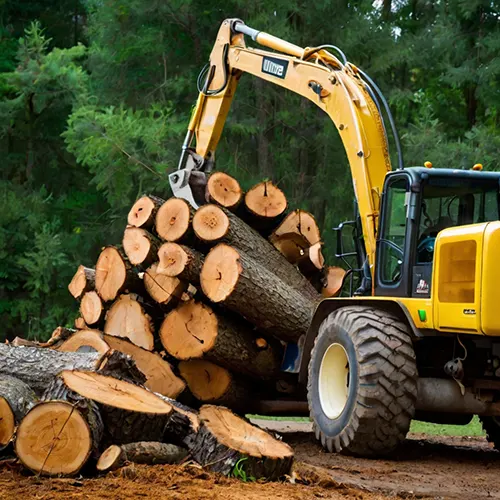 When you’re involved in tree removal projects in Bloomington, safety measures aren’t just guidelines—they’re essential practices ensuring everyone’s well-being. You’ve got to assess tree health, use the right personal protective equipment, and maintain your tools properly. Site preparation and considering weather conditions are equally crucial. Don’t overlook the importance of training, certification, and having emergency procedures in place. Each of these steps plays a vital role, but what happens when one aspect is neglected?
Assessing Tree Health
Before removing a tree, you must thoroughly assess its health to ensure the process is conducted safely and efficiently. Start by examining the tree for signs of disease. Disease identification is crucial because compromised trees can unexpectedly fail, posing significant risks. Look for symptoms like discolored leaves, unusual growth patterns, or fungal growth on the bark. These indicators can signal internal decay, which weakens the tree’s structural integrity.
Next, evaluate the structural integrity of the tree. Inspect the trunk and major branches for cracks, splits, or cavities. These features can indicate internal damage that might not be immediately visible. Pay close attention to the root system as well. Exposed roots or those showing signs of decay can severely undermine the tree’s stability.
Additionally, check for learning. A tree that leans significantly may be at a higher risk of falling, especially if the soil around it is loose or eroded. You should also consider the tree’s environment. Nearby structures, power lines, and other obstacles complicate removal and heighten the need for a precise assessment.
Training and Certification
Proper training and certification ensure that tree removal professionals can perform their tasks safely and efficiently. In Bloomington, adhering to certification standards is crucial for anyone involved in tree removal projects. Certification standards establish a baseline of competence, ensuring that every professional has the necessary knowledge and skills to handle complex situations.
Training programs are the foundation of this competence. These programs cover a wide range of topics, from understanding tree biology to mastering advanced cutting techniques. You’ll find that reputable training programs also emphasize risk assessment and emergency response protocols. This comprehensive education equips professionals to anticipate and mitigate potential hazards.
When selecting a tree removal service, always verify their certification. Certified professionals have completed rigorous training programs, which include both theoretical knowledge and hands-on experience. These programs typically require passing written exams and practical tests, ensuring that certified individuals are well-prepared for real-world challenges.
Personal Protective Equipment
When you’re removing trees, using personal protective equipment (PPE) is non-negotiable. Essential safety gear includes helmets, gloves, eye protection, and chainsaw-resistant clothing. Always ensure you wear and use this equipment correctly to minimize risks and prevent injuries.
Essential Safety Gear
Your safety during tree removal hinges on wearing essential personal protective equipment (PPE) to mitigate risks and prevent injuries. Before you even begin, conducting a thorough fall assessment and hazard identification is crucial. This step ensures you understand the specific dangers present, such as falling branches or unstable trees, and helps you select the appropriate PPE.
Start with a hard hat to protect your head from falling debris. Safety goggles shield your eyes from wood chips and dust, while ear protection is vital for safeguarding your hearing from loud chainsaws. You must wear cut-resistant gloves to prevent hand injuries and maintain a firm grip on tools.
A high-visibility vest keeps you noticeable to others on the site, especially in low-light conditions. Steel-toed boots provide essential foot protection against heavy falling objects and sharp tools. For fall assessment, a harness and ropes are indispensable if you’re working at height.
Each piece of PPE plays a significant role in keeping you safe. Never underestimate the importance of hazard identification in selecting the correct gear. By taking these precautions, you’ll significantly reduce your risk of injury during tree removal Bloomington projects.
Proper Usage Techniques
Ensuring you use each piece of personal protective equipment (PPE) correctly is crucial to maximizing its effectiveness and safeguarding against potential hazards. Start with a hard hat, which should fit snugly and be adjusted to sit level on your head. This protects you from falling debris during tree removal. Safety goggles must cover your eyes completely, preventing sawdust and wood chips from causing injury.
When handling chainsaws, wear chainsaw chaps or pants. They’re designed to stop the chainsaw chain-on contact, reducing the risk of severe leg injuries. Proper chainsaw maintenance is equally critical; a well-maintained chainsaw operates more safely and efficiently. Always check the chain tension, lubrication, and sharpness before use.
Gloves are essential for a strong grip and protection from sharp branches and equipment. Rigging techniques require precision, and gloves ensure you can handle ropes and equipment securely. Wear steel-toed boots for foot protection; they safeguard your feet from heavy falling wood and provide stability on uneven terrain.
Ear protection is necessary when operating loud machinery like chainsaws to prevent hearing damage. Proper PPE usage, combined with chainsaw maintenance and correct rigging techniques, ensures a safer, more efficient tree removal project.
Equipment and Tools Safety
Regularly inspecting and maintaining your equipment is crucial to ensure both safety and efficiency during tree removal operations. Implementing rigorous maintenance routines and inspection protocols can help you identify potential issues before they become hazardous. Chainsaws, wood chippers, harnesses, and ropes all require detailed scrutiny. Inspect chainsaw chains for sharpness and proper tension, and check the engine for signs of wear or leaks. Ensure your wood chipper’s blades are sharp and its safety mechanisms are fully operational.
Don’t overlook protective gear. Helmets, gloves, eye protection, and steel-toed boots should be checked for integrity and replaced if damaged. Regularly clean and store your equipment in a dry, secure location to prevent rust and deterioration. Lubricate moving parts and replace worn-out components promptly.
Training is another critical element. Make sure everyone on your team understands how to use each tool correctly and is aware of the latest safety protocols. Conduct drills to reinforce proper equipment handling and emergency procedures. By prioritizing equipment and tools safety, you’re not just protecting your crew; you’re ensuring the overall success of your tree removal projects. Investing time in these details will pay off in fewer accidents and smoother operations.
Site Preparation
Before any tree removal project begins, it’s imperative to conduct a thorough site assessment to identify potential hazards and plan the safest approach. You’ll want to ensure that the entire area is evaluated for risks such as unstable ground, proximity to structures, and the presence of utility lines. This initial assessment is crucial for both safety and landscape preservation.
During the site preparation, focus on:
– Clearing the Area: Remove any debris, tools, or obstacles that could pose a tripping hazard or interfere with the removal process.
– Ground Stabilization: Ensure the soil is stable enough to support heavy machinery and personnel. This could involve compacting the ground or using stabilizing mats.
– Marking Safety Zones: Clearly delineate areas where workers and equipment should not enter, using barriers or caution tape to minimize risks.
Additionally, take into account the surrounding landscape. Protecting other trees and plants from damage is essential. Use protective barriers or coverings to shield them from falling debris. You should also consider the impact on the soil and take steps to prevent erosion, particularly in sloped areas. Proper site preparation not only ensures safety but also contributes to the overall success and minimal environmental impact of your tree removal project.
Weather Considerations
When planning tree removal, always assess wind speed to determine if conditions are safe for work. Monitor rain forecasts, as wet soil can compromise stability and increase the risk of accidents. Prioritize safety by postponing removal tasks if weather conditions pose any hazards.
Wind Speed Assessment
Evaluating wind speed is crucial for ensuring safe tree removal operations, as high winds can significantly increase the risk of accidents. By thoroughly assessing wind patterns, you can conduct a comprehensive risk evaluation that addresses the potential hazards posed by unpredictable gusts. High winds can cause branches to swing unpredictably or even dislodge, putting both workers and nearby structures at risk.
To effectively assess wind speed, you should:
– Monitor real-time weather data: Utilize reliable meteorological sources to keep track of current and forecasted wind speeds.
– Use anemometers: Implement handheld or mounted anemometers to measure wind speed directly at the job site.
– Establish wind speed thresholds: Define specific wind speed limits at which tree removal operations should be paused or modified.
Rain and Soil Stability
Rain can severely impact soil stability, making it crucial to assess ground conditions before proceeding with tree removal operations. When soil becomes saturated, its ability to support heavy machinery and tree weight decreases significantly. You’ll need to evaluate soil drainage to determine if the ground can handle the stress without causing slippage or collapse.
First, check the current weather forecast and recent rainfall data. Heavy rain can lead to soil erosion, which compromises the stability of the terrain. Employ erosion control measures like silt fences or erosion control blankets to prevent soil displacement. These tools can help maintain ground integrity during the tree removal process.
Next, test the soil’s drainage capability. Poorly drained soil retains water, which exacerbates instability. Use a soil moisture meter to gauge how saturated the soil is. If the readings indicate high moisture levels, it’s wise to delay the project until conditions improve. Additionally, consider using ground protection mats to distribute the load and reduce soil compaction.
Emergency Procedures
In the event of an unexpected incident during tree removal, immediately halt all operations and follow the established emergency procedures to ensure everyone’s safety. Effective emergency communication is critical. Make sure you have a reliable method to alert all team members instantly. This could be via two-way radios or a pre-determined signal. Once everyone is aware of the situation, assess the severity and take action accordingly.
First aid should be administered immediately if anyone is injured. Always have a well-stocked first aid kit on-site and ensure that at least one team member is trained in basic first aid techniques. This quick response can prevent minor injuries from becoming more severe and can be life-saving in serious cases.
Here are the key steps to follow during an emergency:
– Communicate the emergency: Use your emergency communication protocol to alert all team members.
– Administer first aid: Provide immediate medical assistance to any injured personnel.
– Evacuate if necessary: If the situation is critical, evacuate the area following the pre-established evacuation plan.
Environmental Protection
Proper environmental protection during tree removal ensures that natural habitats and ecosystems remain unscathed while maintaining compliance with regulations. You need to understand that every tree is part of a larger ecosystem, and its removal can have significant impacts. Start by assessing the area for any wildlife presence. This step is crucial for wildlife preservation, ensuring that animals and birds dependent on the tree are relocated safely.
Next, evaluate the ecosystem impact. Trees contribute to soil stability, water regulation, and air quality. Removing a tree without considering these factors can lead to soil erosion, increased flooding, and a decline in air quality. Implement measures to mitigate these effects, such as planting new trees or strengthening surrounding vegetation.
Always adhere to local and federal guidelines on environmental protection. Failure to do so can result in legal repercussions and further harm to the environment. Use specialized equipment to minimize damage to the surrounding flora and fauna. For example, employ tree removal techniques that limit soil disturbance and protect nearby plants.
How to Choose the Best Stump Removal Equipment for Your Needs in St. Paul
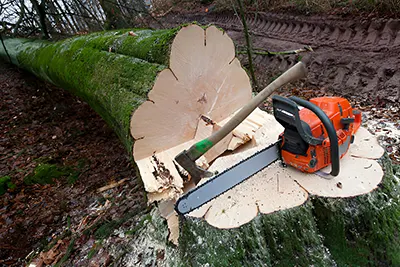 When you’re looking to choose the best stump removal equipment for your needs in St. Paul, you should start by assessing the size and type of stumps you need to tackle. Consider the terrain conditions of your property; uneven or rocky ground may require specialized machinery. Budget is another crucial factor—whether you’re buying or renting, costs vary widely. You’ll also want to think about the safety features of the equipment and how easy it is to operate, especially if you’re not a seasoned professional. Finally, look into local rental options to see what’s available nearby. So, how do you start this process effectively?
Assessing Stump Size
When assessing stump size, it’s crucial to measure both the diameter at ground level and the height above ground to determine the appropriate removal equipment. Accurately measuring the root diameter will give you insight into the root system’s extensiveness, which affects the choice of equipment. For instance, a large root diameter might necessitate the use of a powerful stump grinder or an excavator to ensure complete removal.
Stump height is equally important. A taller stump can create leverage issues, making it more challenging to remove. In such cases, cutting the stump down to a manageable height before using removal equipment is advisable. This step minimizes safety risks and makes the operation more efficient.
Using a caliper or a measuring tape, measure the root diameter at the widest point where the stump meets the ground. For stump height, use a vertical measurement from the ground to the highest point of the stump. Always wear appropriate safety gear, including gloves and eye protection, to avoid injuries during this process. By accurately assessing the stump size, you’ll ensure you select the right equipment, thereby enhancing both safety and efficiency in your stump removal operations.
Evaluating Terrain Conditions
After accurately measuring stump size, it’s imperative to evaluate terrain conditions to ensure the chosen equipment can operate efficiently and safely. Start by examining soil composition; sandy soils differ significantly from clay-based soils in terms of equipment requirements. For instance, clay soils are denser and may necessitate more powerful machinery to penetrate effectively. Conversely, sandy soils, while easier to dig, can cause issues with equipment stability.
Next, assess the slope and grade of your terrain. Hilly or uneven terrains require equipment with enhanced traction and stability features to prevent tipping and ensure efficient stump removal. Weather conditions also play a crucial role. Wet or muddy terrains can complicate the operation, making choosing equipment with sufficient weight distribution and grip essential.
Don’t overlook the environmental impact of your chosen equipment. Opt for machinery designed to minimize soil disruption and prevent unnecessary damage to surrounding vegetation. Hydraulic stump grinders, for example, offer precision and reduce collateral damage compared to more invasive options.
Ultimately, a comprehensive evaluation of these terrain conditions will guide you in selecting the most suitable stump removal equipment, ensuring both operational efficiency and safety compliance.
Budget Considerations
Considering budget constraints is crucial for selecting stump removal equipment that balances cost-effectiveness with operational efficiency. Start with a detailed cost analysis, examining both upfront costs and long-term operational expenses. Don’t just look at the purchase price; factor in maintenance, fuel, and potential downtime costs as well. This holistic approach ensures you’re not blindsided by hidden expenses.
Next, explore financing options. Many equipment suppliers offer leasing or financing plans that can ease the financial burden, allowing you to invest in high-quality machinery without depleting your capital. Calculate the total cost of ownership under different financing scenarios to identify the most financially viable option.
Safety equipment should also be part of your budget considerations. Investing in personal protective equipment (PPE) like gloves, helmets, and goggles is non-negotiable. You can’t afford to skimp on safety, as the costs of potential injuries far outweigh the expense of proper gear.
Lastly, consider the resale value of the equipment. High-quality, well-maintained machinery retains its value better, providing a financial cushion for future upgrades. By integrating a thorough cost analysis and exploring diverse financing options, you’ll make a well-informed decision that aligns with your budgetary constraints.
Equipment Types and Uses
To effectively tackle stump removal, you need to understand the different types of equipment available and their specific uses. Selecting the right equipment depends on the stump’s size, root structure, and your experience level. Here’s a breakdown of some common types:
– Manual tools: For smaller stumps or those with shallow root systems, manual tools like shovels, axes, and hatchets are effective. These tools require physical effort but offer precision in confined spaces.
– Hydraulic systems: For larger stumps, hydraulic stump grinders provide power and efficiency. These machines use hydraulic systems to drive high-speed cutting wheels, making them ideal for breaking down tough stumps quickly.
– Tractor-mounted grinders: If you’re dealing with multiple stumps or larger projects, consider a tractor-mounted grinder. This equipment leverages your tractor’s power, ensuring high productivity and a broader reach.
Understanding the specific uses of these tools is crucial. Manual tools are best for precise work or smaller tasks, while hydraulic systems offer speed and power for larger stumps. Tractor-mounted grinders are suitable for extensive projects. By matching the right equipment to your needs, you ensure efficient and effective stump removal St Paul.
Safety Features
When choosing stump removal equipment, prioritizing safety features ensures both effective operation and protection from potential hazards. Start by ensuring that your equipment includes emergency shut-off mechanisms. These features allow for immediate cessation of operation in case of malfunction or unexpected obstacles, reducing the risk of injury.
Operator training is paramount. Comprehensive training programs provide the operator with the knowledge to handle the machinery safely and efficiently. Look for equipment manufacturers that offer detailed training modules, either online or in-person, to ensure your team is well-versed in the safe use of the equipment.
Additionally, protective gear is non-negotiable. Equip your operators with industry-standard safety helmets, gloves, and eye protection. Ensure that the equipment itself has built-in protective shields to prevent debris from causing injuries. High-visibility vests and steel-toed boots are also recommended to enhance overall workplace safety.
Check for anti-vibration handles and ergonomic design features. These elements reduce operator fatigue and the risk of repetitive strain injuries, making long stints of operation more manageable. Lastly, always verify that the stump removal equipment complies with OSHA regulations and industry safety standards to maintain a secure working environment.
Local Rental Options
Before purchasing, explore local rental options to test various stump removal equipment and find the best fit for your needs. Rental availability in St. Paul is robust, allowing you to try different models without committing to a purchase. This approach not only ensures you get hands-on experience but also helps you assess which machine meets your specific requirements.
When evaluating local suppliers, consider:
– Equipment Variety: Ensure the supplier offers a range of stump grinders, from handheld models to large hydraulic grinders. This variety allows you to test different power levels and functionalities.
– Maintenance and Support: Opt for suppliers who provide well-maintained equipment and offer support in case of mechanical issues. Reliable maintenance reduces downtime and enhances safety.
– Rental Terms: Look for flexible rental terms that match your project scope. Daily, weekly, or monthly rentals offer different cost efficiencies based on your needs.
Safety should be a paramount concern. Verify that all rented equipment includes necessary safety features, such as guards and emergency shut-offs. Additionally, ask the supplier for a demonstration or training session if you need to familiarize yourself with the equipment. This will help ensure that you’re operating the machinery safely and effectively.